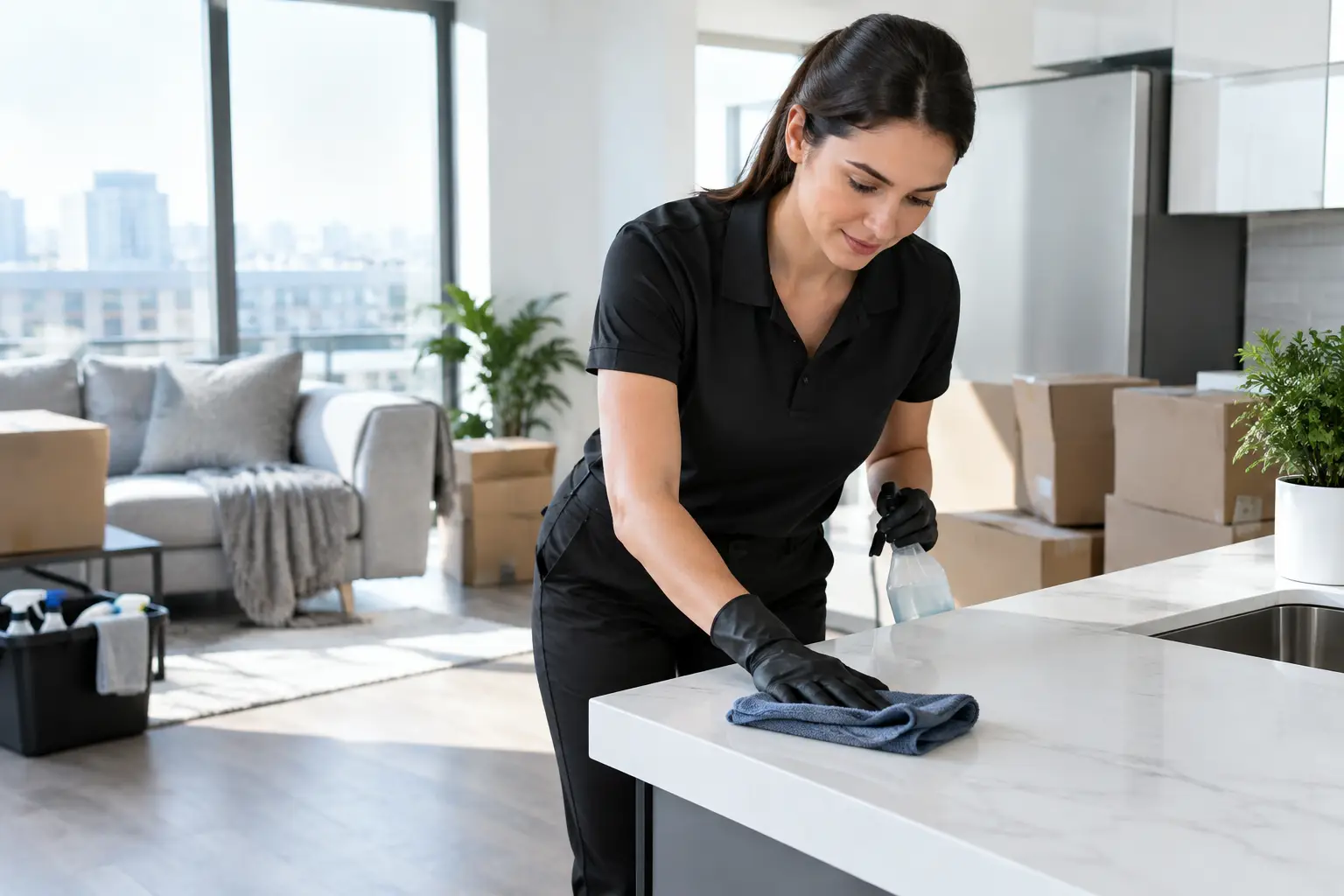
The boxes are stacked, the moving truck is booked, and somehow the fridge still has a mysterious spill behind the crisper drawer. Learning how to clean before moving is less about making every surface perfect and more about working in the right order. A clear plan keeps the final days from turning into a late-night scramble with one roll of paper towel and no coffee maker.
Whether you are handing over a rental, preparing a home for sale, or moving into a place that needs a reset, the goal is simple: leave the old space properly presented and arrive somewhere that feels ready to use.
Start with a realistic moving-clean timeline
One of the biggest mistakes is trying to do every cleaning task on moving day. Some jobs need to wait until the property is empty, but plenty can be handled earlier. Start one to two weeks before moving by cleaning areas you are packing up first: spare rooms, closets, cabinets, shelves, and storage spaces.
As each room empties, give it a first pass. Wipe shelves, vacuum corners, and carefully remove temporary adhesive strips if the surface and product instructions allow. This prevents the final clean from becoming a full-house deep clean compressed into a few exhausting hours. Save the thorough floor cleaning and final check of hidden areas for after the furniture and boxes are gone.
Keep one small cleaning kit accessible until the end. It should include microfiber cloths, an all-purpose cleaner suitable for your surfaces, glass cleaner, a vacuum, mop, garbage bags, a scrub brush, and gloves. Label it clearly. Otherwise, it will somehow end up at the bottom of a box marked “miscellaneous.”
How to clean before moving: work from high to low
A sensible cleaning sequence saves time because dust and debris fall downward. Begin with accessible upper surfaces, vents, light fixtures, upper shelves, and cupboard interiors. Then move to counters, appliances, sinks, fixtures, baseboards, and floors. Use a stable step stool for areas you can reach safely; leave difficult or high-access work to someone equipped for it.
Clean each room from the farthest point toward the doorway. This avoids walking back over freshly cleaned floors and helps you see what has already been completed. Ventilate where practical and follow product directions. Never mix cleaning products, especially bleach with ammonia or acidic cleaners.
Take photos once a room is empty and cleaned. For renters, dated photos can provide a useful record of the condition at handover. Check your lease or property-management instructions for any specific expectations; ordinary wear is different from damage, and requirements can vary.
Tackle the kitchen after the pantry is empty
Kitchens need the most time because they contain grease, crumbs, food residue, and appliances that are usually hidden by daily life. Start by using up, donating, or discarding food well before moving day. Once cabinets and drawers are empty, vacuum out loose debris before wiping interiors with a suitable cleaner and a damp cloth.
Pay close attention to handles, backsplash grout, the range hood, and the area around small appliances. These are the details that can make an otherwise clean kitchen look unfinished. If grease has built up on cabinet fronts, use a cleaner recommended for the finish and avoid soaking wood or laminate edges.
Clean appliances early enough to dry
The refrigerator should be emptied, cleaned, and left to dry before movers arrive. Wipe shelves, drawers, seals, and exterior handles. If it is being transported, follow the manufacturer’s guidance on unplugging, defrosting, and moving it safely.
For the oven, remove loose crumbs first and use the appliance’s recommended cleaning method. Self-cleaning cycles can create strong odours and heat, so they are not always the best last-minute choice. Clean the stovetop, knobs, and drip areas with products suited to the material. Finish with the dishwasher filter, sink drain area, and a polished faucet. Give any cleaning product the contact time stated on its label rather than improvising a longer soak.
Reset bathrooms for a clean handover
Bathrooms are small, but they show everything. Remove personal products, empty drawers and medicine cabinets, then dust accessible vent covers and light fixtures before tackling the fixtures below.
Use a bathroom cleaner appropriate for the tub, shower surround, tile, glass, toilet, and vanity. Follow the label for contact time and rinsing rather than scrubbing immediately or combining products. That short wait can often do more than extra elbow grease.
Clean soap residue from shower doors and tracks, wipe mirrors without leaving lint, and check behind the toilet and around the base. Finish by wiping taps, towel bars, switch plates, and door handles. Clear glass and polished fixtures create the fresh, well-kept finish people notice when they walk in.
Do not overlook bedrooms, living areas, and storage spaces
Once furniture is removed, rooms can reveal a surprising amount of dust along baseboards, behind doors, and inside closets. Vacuum upholstery and mattresses before they leave if they are coming with you. Then clean the empty room from top to bottom.
In bedrooms and living areas, wipe closet shelves, window sills, blinds, interior doors, and trim. Use a vacuum attachment along baseboards and in corners before washing hard floors or doing a final vacuum pass on carpet. If carpets have stains, check the fibre type and manufacturer guidance before treating them. A rushed DIY solution can set a stain or leave a visible ring.
Garages, balconies, laundry rooms, and utility spaces are easy to leave until last, then regret. Empty them early. Sweep debris, remove personal items from storage shelves, and dispose of paints, chemicals, batteries, and electronics through appropriate local collection programs rather than leaving them behind.
Save floors and final details for after the move-out
The final clean works best once the last box and piece of furniture are out. If possible, leave a little time between the movers finishing and the handover. Walk through each room with a garbage bag, cloth, and vacuum. Check for forgotten items in cabinets, closets, drawers, and behind doors. Look for tape residue, scuffs, crumbs, and dust lines where furniture used to sit.
Vacuum carpets thoroughly, including edges and stairs. For hard floors, remove dry debris first, then mop with a product compatible with the flooring. Too much water can damage certain wood and laminate floors, so a lightly damp mop is often the better choice.
Before locking up, turn on the lights and inspect the home from the doorway of each room. This perspective makes smudged glass, missed corners, and streaks on stainless steel easier to spot. Take a final set of photos once the property is empty.
If you are arranging a professional final clean instead, confirm the property will be fully empty, with running water and electricity available, and that movers or trades will not still be working inside. A detailed move-in or move-out cleaning scope usually includes more than a routine maintenance visit, so it helps to clarify appliance interiors, cabinet interiors, buildup, and access before booking.
Clean the new home before unpacking, if you can
Cleaning before moving is not only about the place you are leaving. If you have access to your new home before the truck arrives, clean it while it is empty. It is the rare moment when every shelf, floor edge, and closet is accessible without working around furniture.
Prioritize the areas you will need immediately: bathrooms, kitchen counters and cupboards, refrigerator, floors, bedroom closets, and high-touch points such as handles and switches. You do not need to complete every detailed task before the first night, but having clean bathrooms, fresh bedding, and a usable kitchen changes the entire experience.
If the new place has just been renovated, allow extra time for fine residue. Our guide to construction dust cleaning explains why dust can reappear even after the initial wipe-down.
If your schedule is packed with possession dates, work commitments, children, or a long move across York Region or Simcoe County, decide early which tasks you can handle yourself and which ones need a separate cleaning appointment. A realistic plan is more useful than an ambitious checklist that leaves everything until the last afternoon.
A move rarely feels completely calm, but a clean, empty home gives the handover a proper finish. Pack the cleaning kit last, keep the final walkthrough methodical, and let the next chapter begin without yesterday’s dust in the corners.


Stay Updated
We will send you info about Diamond Dynasty before it's released to the public